Marketing
We Are Others: The Lesson Marketing Has Yet to Learn

When I wrote Somos otros (We Are Others), I was not trying to tell the story of the pandemic. That book came out of a far deeper question: what really changed in us?
For a long time we read the pandemic as a health, economic or political crisis. It was. But it was also the largest laboratory of human behavior our generation has lived through. In a matter of months our habits changed, and so did our priorities, our relationship with work, with technology, with consumption and, above all, with uncertainty.
Five years on, many organizations believe they are back to normal. And yet normal no longer exists. What exists are new people living in a different world.
And that is, most likely, the greatest challenge facing marketing today.
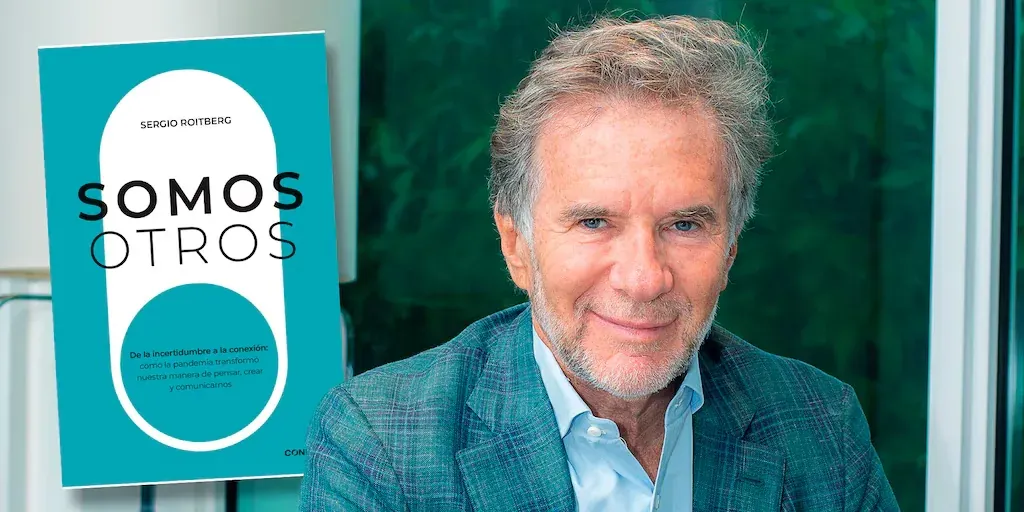
The market did not change. People did.
For decades companies studied markets. They segmented audiences. They built ever more sophisticated demographic profiles to work out who they should be talking to. That model worked because people changed slowly. The pandemic broke that logic.
Within months, millions of people started working from home, learned to solve problems through digital platforms, made medical decisions through a screen and reshaped their relationship with time, with money and with their own life plans. Many discovered they could live another way. Others understood that work was no longer the center of their identity. Many began choosing brands whose values matched their own.
Artificial intelligence accelerated that process even further. Today anyone can reach information, compare options, produce content or challenge an organization’s narrative with tools that barely three years ago looked like the preserve of large companies. We are not living through a technological revolution alone.
We are living through a human revolution.
From the target to the Empower Actor
While much of marketing still thinks in terms of targets, the real challenge is no longer identifying who to talk to. The challenge is understanding how that person influences, connects and mobilizes others.
One of the central ideas in Somos otros is the Empower Actor. It was born to explain that people stopped occupying a single role. Today a customer can also be an employee, a content creator, a citizen, an investor, an activist or a reference point in a digital community. They can buy a brand in the morning and question it publicly in the afternoon. They can recommend it to thousands of people, or undo years of reputation building in a matter of hours.
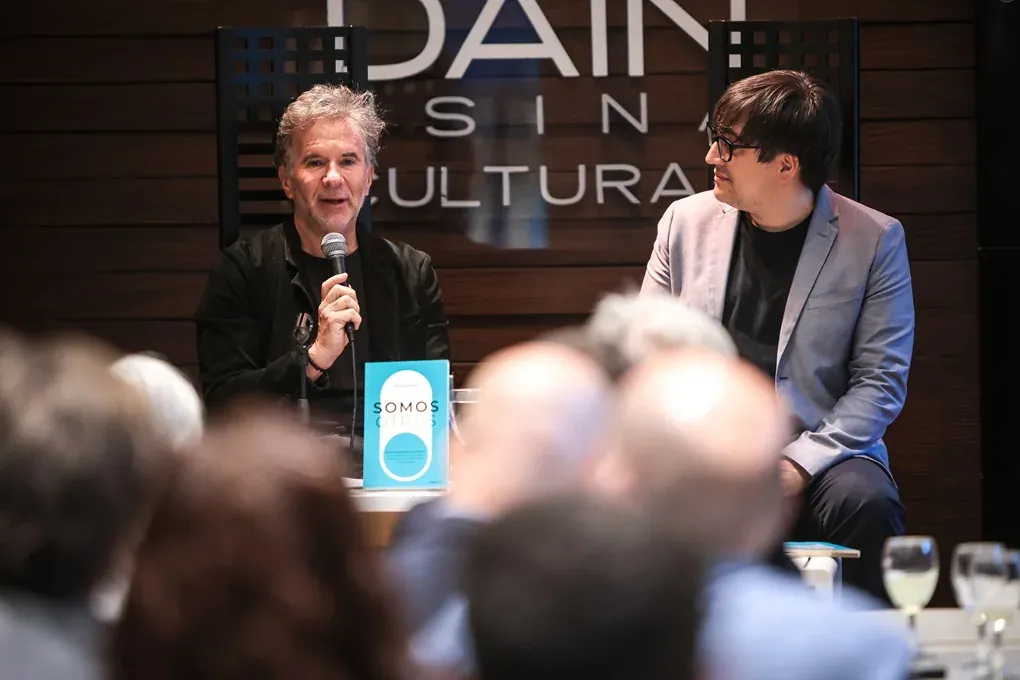
But the Empower Actor has evolved too. Today an Empower Actor does not only hold the capacity to influence. They hold a network of Active Links that multiplies that influence. Every person takes part simultaneously in multiple organizations, communities and conversations. Each of those spaces produces different relationships. And it is those links that amplify their capacity to build trust, mobilize decisions, accelerate conversations or transform an organization’s reputation.
That is why understanding an Empower Actor is no longer only about knowing who they are. It is about understanding the network of active links they build, sustain and mobilize every day.
Traditional marketing studied consumers. Modern marketing began to understand Empower Actors.
The next step is understanding the Active Links those Empower Actors set in motion.
Because influence today no longer rests on people alone. It rests on the connections those people activate. The conversation no longer belongs to companies. It belongs to people.
Trust replaced control
For years brands managed the message. Today they manage something far more complex: trust. Building a good campaign is no longer enough.
People expect coherence between what an organization says and what it does. They expect transparency when mistakes appear. They expect speed. They expect empathy. And, above all, authenticity.
Reputation is no longer built through the media alone. It is built across thousands of simultaneous conversations in which employees, customers, suppliers, investors and citizens take an active part.
Brands no longer own the narrative. They are just one voice inside a much larger conversation.
Communicating is no longer enough
For many years the challenge was to communicate better. Today the challenge is to connect better. The difference looks small. It is not.
Communicating means issuing messages. Connecting means understanding how people changed.
Asking who buys is no longer enough. We have to understand who influences. Who they relate to. Which communities they belong to. Which links they activate.
The best strategies no longer come from data analysis alone. They come from understanding how human relationships work.
Companies must become others too
Many organizations brought in artificial intelligence, automated processes or improved their digital channels. But very few genuinely changed the way they understand people. And that difference is enormous.
Because digital transformation can be bought. Cultural transformation cannot.
The challenge today is not only about bringing in new tools. It is about accepting that this new environment can no longer be addressed in fragments. People no longer live their reality in parts. Their decisions are shaped at once by their experience as customers, employees, citizens, investors and members of different communities.
Organizations cannot keep answering from silos either. Marketing, Communications, Culture, Reputation, Technology and Artificial Intelligence are no longer independent disciplines. They are dimensions of a single system.
Today’s challenges are systemic. And so they demand systemic thinking. Thinking differently. Planning differently. Executing differently. With a governance model able to bring all of those dimensions into a single decision framework.
Because when everything is connected, isolated solutions stop being enough.
What Somos otros really teaches
The main lesson the pandemic left is not that we must prepare for the next crisis. It is that we will never again live in a fully predictable world. Uncertainty stopped being an exception and became the new context in which people and organizations make decisions.
And that demands a new way of doing marketing. A marketing less obsessed with segmenting and more interested in understanding. Less concerned with interrupting and more focused on creating value. Less centered on campaigns and more committed to building relationships.
Because people are no longer the same. Neither are their expectations. And organizations that keep trying to understand this world with the categories of the past will run a quiet risk: believing they know their audiences when, in fact, they are still speaking to the people who existed before 2020.
The pandemic left us many lessons. But perhaps the most important is this: the world changed because we changed. We are others.
And understanding those new individuals means recognizing that they are no longer simply consumers, but Empower Actors who build and mobilize a network of Active Links capable of influencing multiple communities at the same time.
The organizations that grasp that reality —and that learn to think and act systemically— will not only communicate better.
They will be able to build trust, activate relationships and generate sustainable engagement in a world where everything is connected.