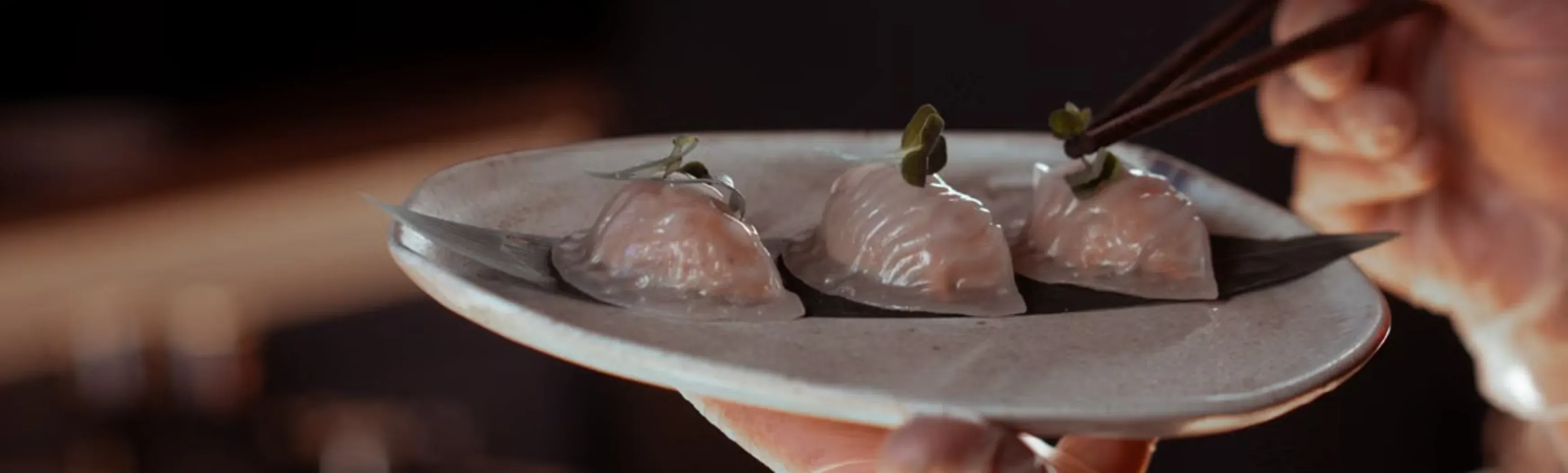
A few weeks ago, I opened the windows of my room at the Hotel Carlton, a Rocco Forte hotel on Via della Spiga in Milan, and found myself looking straight across at the Ralph Lauren gardens.
It was the sort of image Instagram would instantly label “luxury”: an extraordinary suite, one of the most elegant streets in the world, beautiful stores a few steps away. Everything was exactly where it was supposed to be.
Curiously, that is not what I remember most about the trip.
I remember that from the moment I arrived, everyone at the hotel called me by name. I remember that by the next morning, someone already knew how I liked my coffee. I remember the bed, the sheets, the quality of the things I touched. And I remember something increasingly difficult to find: the feeling that nobody was trying to impress me.
They were simply making me feel good.
Perhaps that is what real luxury means now.
I have spent much of my professional life around fashion, art, gastronomy, hotels, events and the brands we tend to place inside that enormous—and sometimes far too broad—category called lifestyle. I have been fortunate enough to know some extraordinary places and people.
And after all these years, I have reached a fairly simple conclusion:
The harder something has to prove that it is luxurious, the less interesting I find it.
We should not confuse luxury with lifestyle. There are wonderful places whose specialty is not only what they serve, but who can see you while they are serving it. That can be fun, aspirational and an extraordinarily successful business.
But it is something else.
For a long time, luxury was built around a fairly elementary proposition: look at what I own.
The logo mattered. The car mattered. The watch mattered. Getting a particular table mattered. Above all, it mattered that somebody else knew you could have those things.
A different idea is emerging.
A Brunello Cucinelli cashmere sweater whose quality does not need to announce itself from across the room. A pair of handmade shoes made by someone who has spent decades perfecting the craft. An exceptional chef cooking at your home for eight friends. A small hotel somewhere remote, with the best sheets you have ever slept in and nowhere terribly important to be the next morning.
Luxury is beginning to free itself from the need for an audience.
And that changes a great deal.
What We Don’t See
Years ago, I had the enormous privilege of working with Giorgio Armani on his exhibition at the Guggenheim Museum Bilbao. Robert Wilson, one of the great theater artists of our time, created the installation. Imagine the combination: Armani, Wilson, Guggenheim. You might expect spectacle, excess, fireworks.
I remember exactly the opposite.
Silence.
Light.
Space.
The pieces seemed to appear almost magically. You walked through the exhibition and something happened in your body. Nobody needed to explain why it was extraordinary.
More than twenty years later, I could not list every piece that was in that exhibition.
But I can still remember how I felt walking through it.
It taught me something that has become fundamental to the way I think: great experiences are often built from things we barely notice.
The right light. Temperature. A sound. A scent. The distance between two people. The way someone says your name. The rhythm of a dinner.
You may not remember any of those elements separately.
You remember the emotion they created together.
Eating A Work Of Art
There is another story I return to again and again.
In 1958, Yves Klein presented his celebrated exhibition Le Vide—“The Void”—at Galerie Iris Clert in Paris.
Klein had even conceived the idea of illuminating the Obelisk at Place de la Concorde in blue, using the extraordinary ultramarine forever associated with his work. The illumination did not happen.
But at the opening, he did something wonderful.
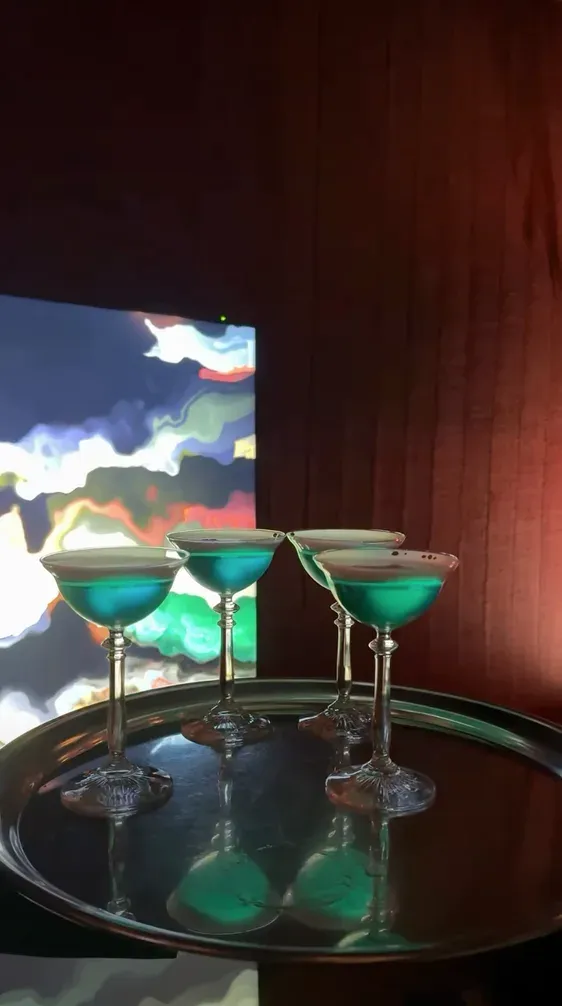
He served his guests a blue cocktail made with gin, Cointreau and methylene blue.
I was fascinated by the idea: if the art was not on the walls, perhaps it could enter the people themselves.
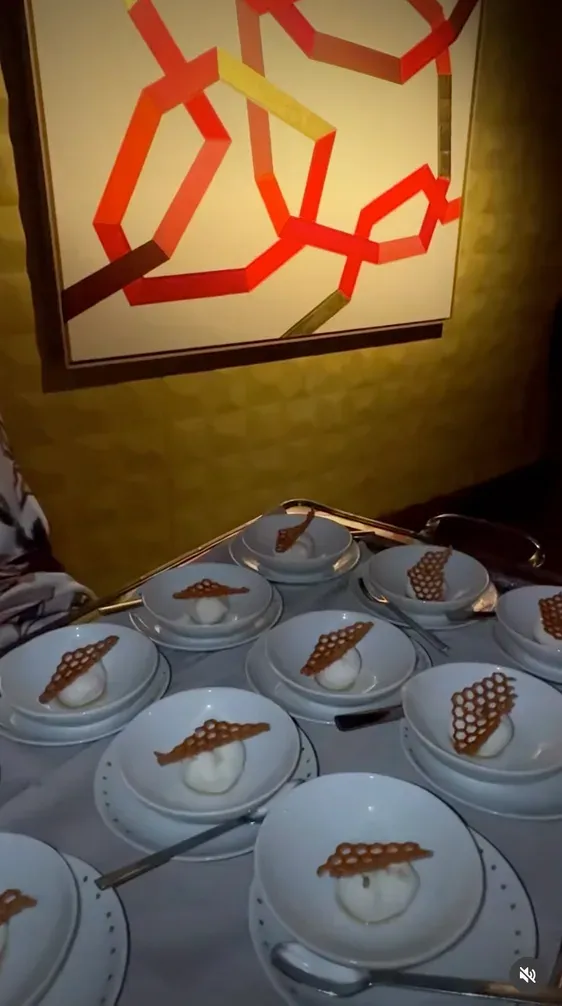
Years later, that story made me wonder whether we could do something similar with a chef. What if art were not simply something we looked at? What if we could eat it?
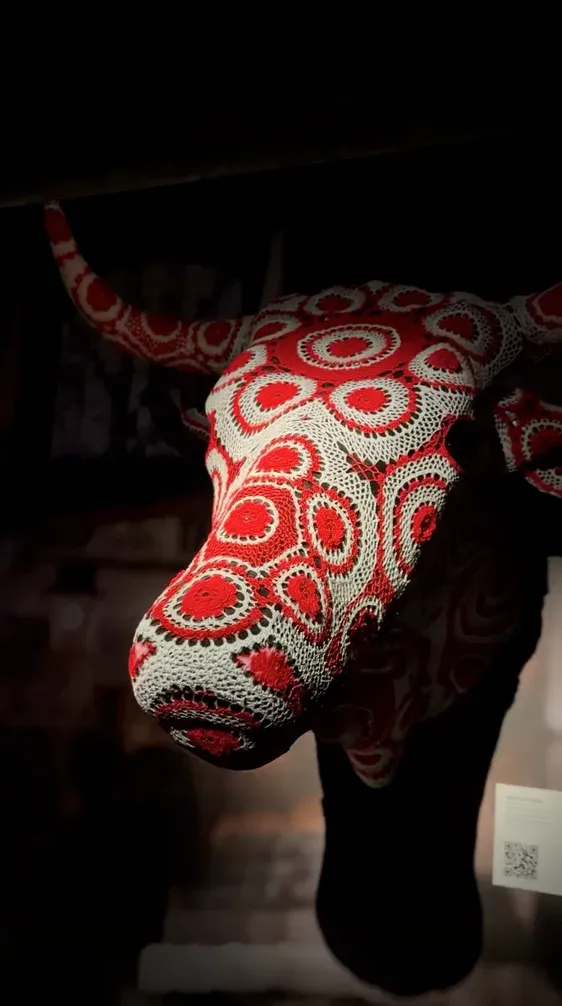
That search led to Eat with Art, a creative idea by Juan Alfaro for Coque, developed in collaboration with Newlink.
The point was not the gimmick. The point was to understand that an experience becomes powerful when it stops happening in front of us and starts happening inside us.
And that, for me, is where art, gastronomy, hospitality and luxury begin to speak the same language.
What Is Truly Scarce

Not long ago, I found myself wondering what my personal definition of luxury would be today.
It probably would not involve marble.
I imagine an evening in Formentera. A blanket thrown on the sand. Two bottles of champagne. Something simple to eat. People I love. The sun disappearing. A good conversation. Then swimming naked in the sea when almost everyone else has left the beach.
There is no concierge.
There is no VIP room.
And, thank God, there probably is not much of a signal either.
But there is something far more expensive:
Time.
And there is peace. Intimacy. Freedom. Silence.
It is curious. We spent decades accumulating things only to discover that some of the most desirable things in contemporary life are precisely the things we cannot accumulate.
We cannot save time and use it ten years from now.
We cannot manufacture a remarkable conversation.
We cannot mass-produce intimacy.
We cannot guarantee a perfect sunset or recreate exactly one night with the people we love.
Real luxury is migrating toward what is scarce precisely because it cannot be reproduced.
When Everyone Can See It
The digital revolution created a fascinating paradox.
It democratized the image of luxury.
Today, anyone can virtually enter the world’s best hotels, watch a collection from the front row, inspect a restaurant before walking through its door or discover a small artisanal brand that twenty years ago might have remained unknown beyond its hometown.
Influencers have played an enormous role in that transformation and have been extraordinarily valuable to many brands.
But visibility and discernment are not the same thing.
There are brilliant journalists and mediocre journalists. There are influencers with tremendous knowledge and others with tremendous audiences. The two do not necessarily coincide.
And the easier luxury becomes to display, the more valuable the things become that cannot be fully displayed.
Everyone can see a photograph of the suite in Milan.
Nobody can photograph how I felt when someone remembered my coffee.
Millions can see a great chef’s dish.
Only eight people know what happened around that table that night.
And that is where I see the most interesting shift for brands.
From Being Seen To Being Remembered
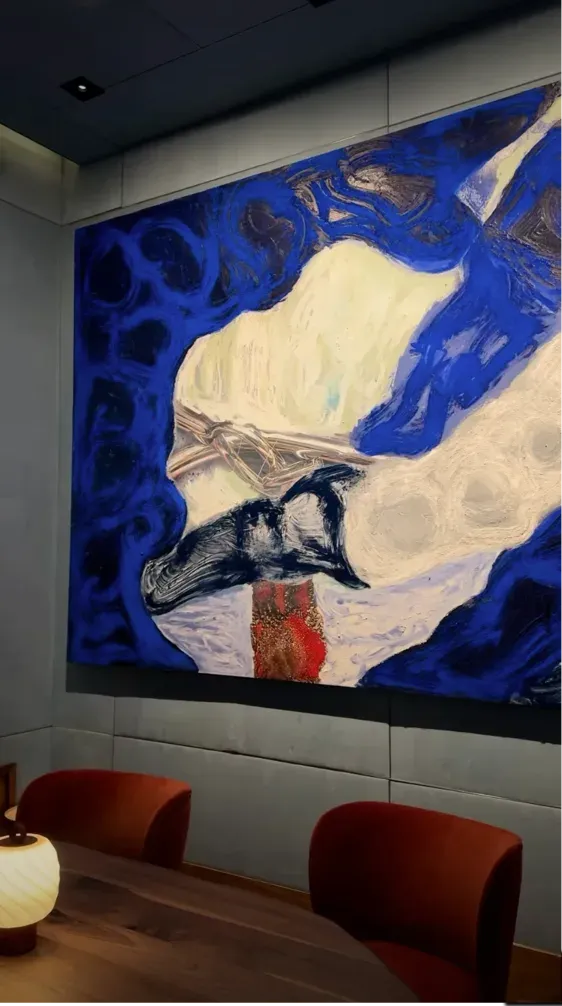
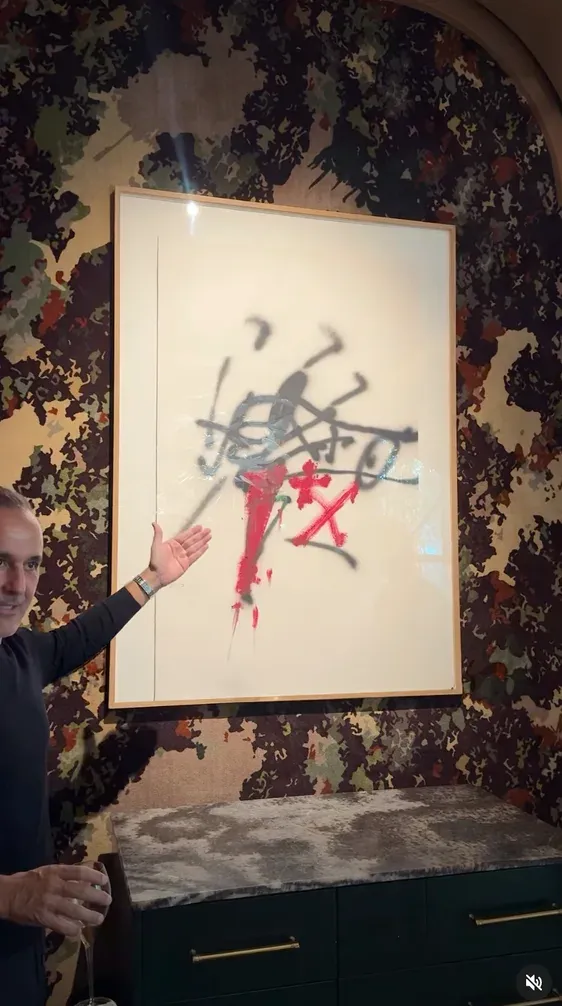
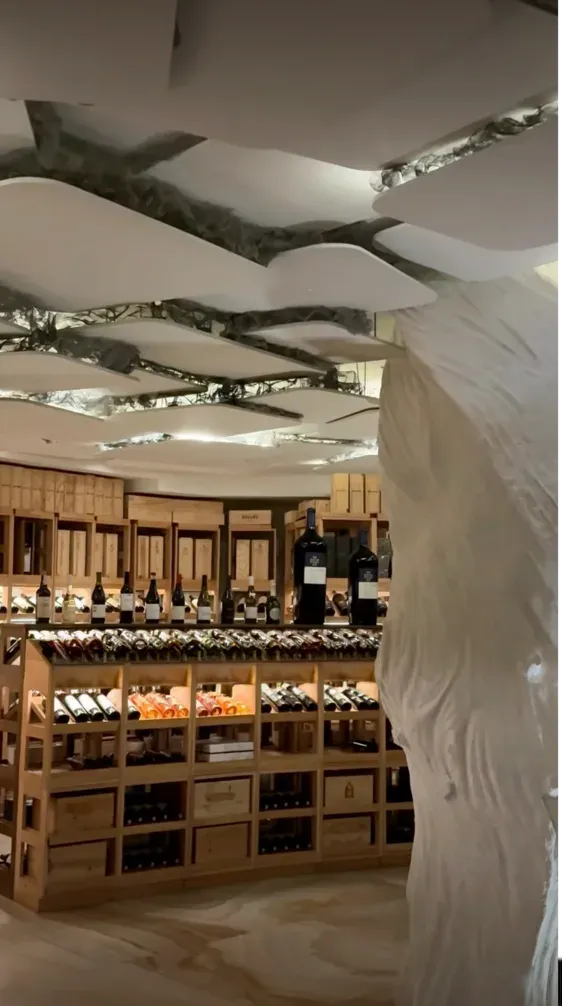
For years, brands competed obsessively for our attention.
Today, attention may be one of the most overexploited commodities on the planet.
We do not need more things trying to get our attention. We already have too many.
That is why I believe the best luxury brands will compete less and less to be seen and more and more to be remembered.
That is a profound difference.
Getting attention is a matter of exposure.
Remaining in memory is a matter of engagement.
I do not mean likes, comments or followers. I mean something much older, and much harder to manufacture: an authentic emotional connection between a person and an experience.
A Ferrari was never just steel, leather and an engine. Part of what you buy is what happens inside you when you start it and hear the sound.
A great hotel was never just architecture and square footage.
A great restaurant was never just food.
And a great brand was never just a logo.
Exceptional objects still matter. Of course they do. Craftsmanship, materials, design and beauty may matter even more in a world producing more things, faster than ever.
But the object is no longer necessarily the end of the experience.
It can be the beginning.
Perhaps that is why my definition of luxury has become simpler with age.
Old luxury said:
“Look at what I have.”
New luxury says:
“I will never forget how it made me feel.”
And fortunately, that does not require an audience.